
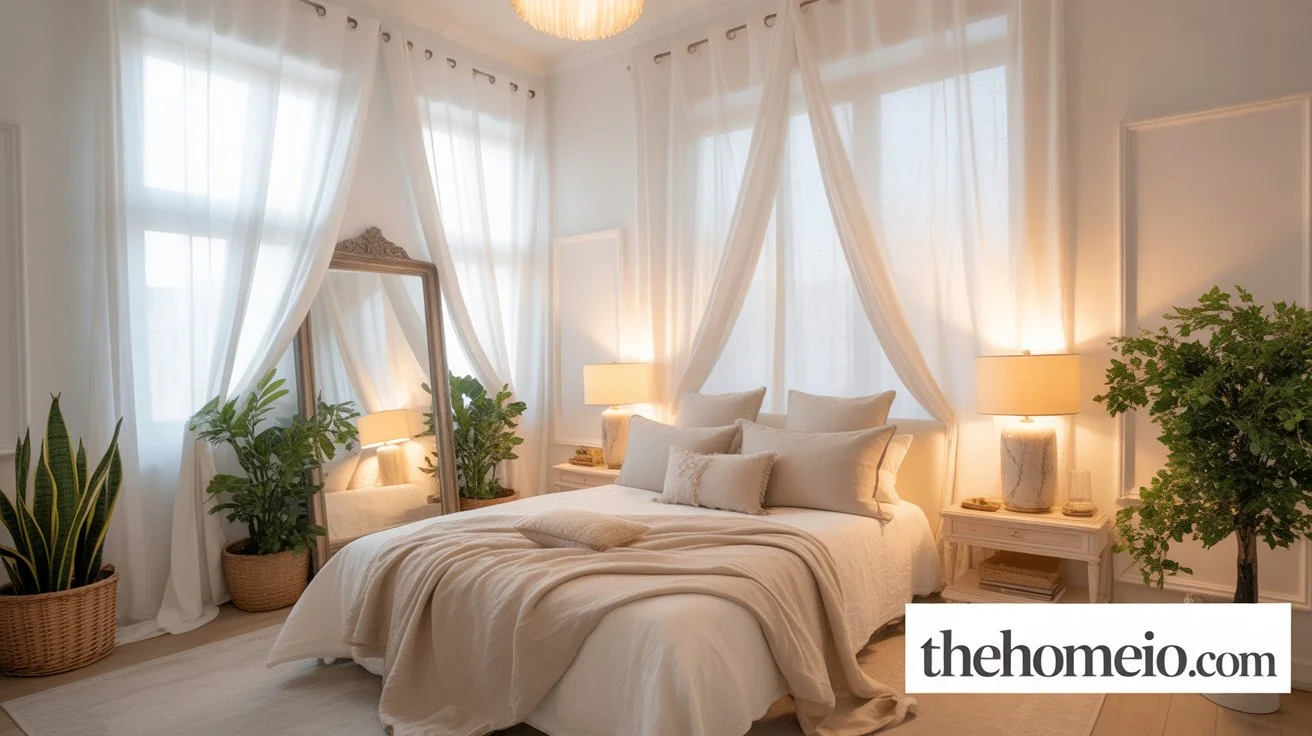
How to Brighten a Dark Bedroom: 11 Easy Ways to Make It Feel Brighter and Bigger
A dark bedroom can feel smaller, more cramped, and less welcoming, even if the room itself is a decent size. The good news is that you don’t need a major renovation or expensive remodel to make a noticeable difference.
Interior designers often rely on a combination of color, lighting, layout, and reflective surfaces to transform low-light spaces. This guide combines those same principles into practical, budget-friendly tips that homeowners and renters can use right away.
Whether you’re dealing with a north-facing bedroom, limited windows, dark wall colors, or simply a room that feels gloomy, these strategies can help create a brighter, more comfortable space.
Why Do Some Bedrooms Feel So Dark?
Before jumping into solutions, it helps to understand the common causes.
Most dark bedrooms suffer from one or more of these issues:
- Limited natural light from small or poorly positioned windows
- Dark wall colors that absorb light instead of reflecting it
- Heavy curtains that block daylight
- Insufficient artificial lighting
- Bulky furniture that visually weighs down the room
- Too many dark textiles and accessories
The goal is not just to add more light; it’s to make better use of the light you already have.
#1. Start by Choosing Light-Reflective Paint Colors
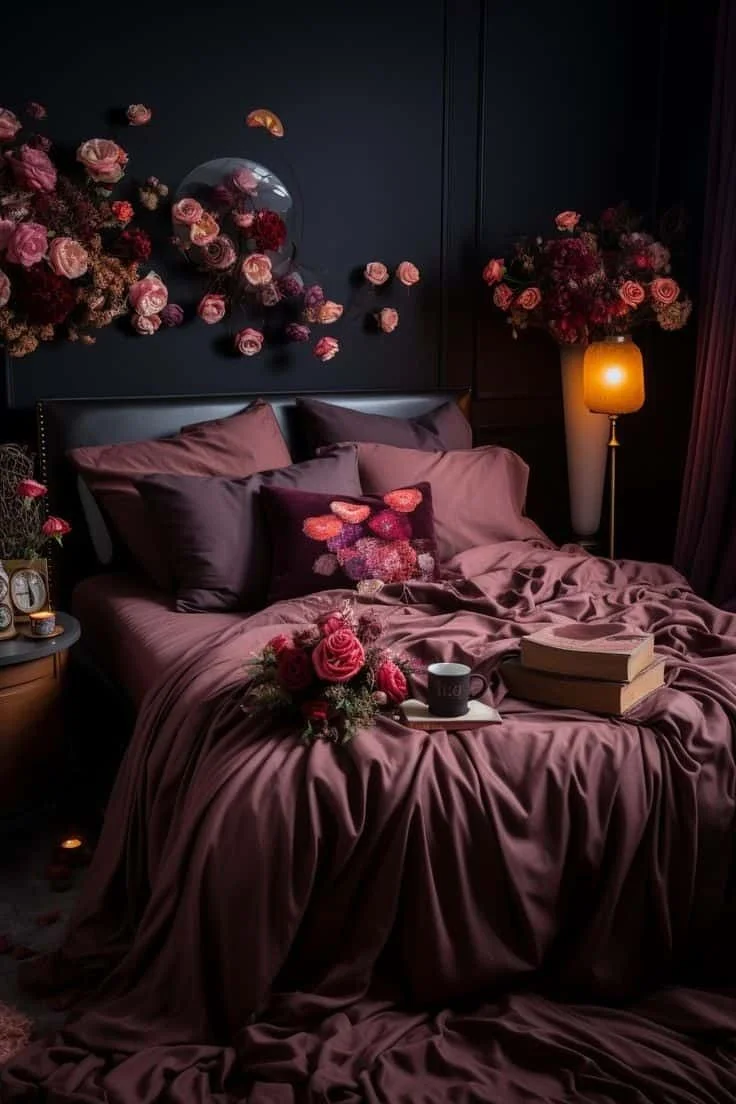
If you’re willing to make one major change, paint is often the most effective place to start.
Walls account for a large percentage of what we see in a room. Dark colors absorb available light, while lighter shades bounce light around the space and help create a brighter appearance.
Popular designer-approved choices include:
- Soft white
- Warm white
- Cream
- Light greige
- Pale beige
- Soft sage
- Light blue-gray
These shades help maximize both natural and artificial light without making the room feel sterile.
Best For
Bedrooms with dark paint, limited windows, or north-facing exposure.
Designer Insight
Choose paint finishes with a subtle sheen, such as eggshell or satin, which reflect slightly more light than flat finishes.
Common Mistake to Avoid
Avoid choosing stark bright white without testing samples first. In some rooms, it can feel cold rather than inviting.
#2. Maximize Natural Light With Sheer Curtains
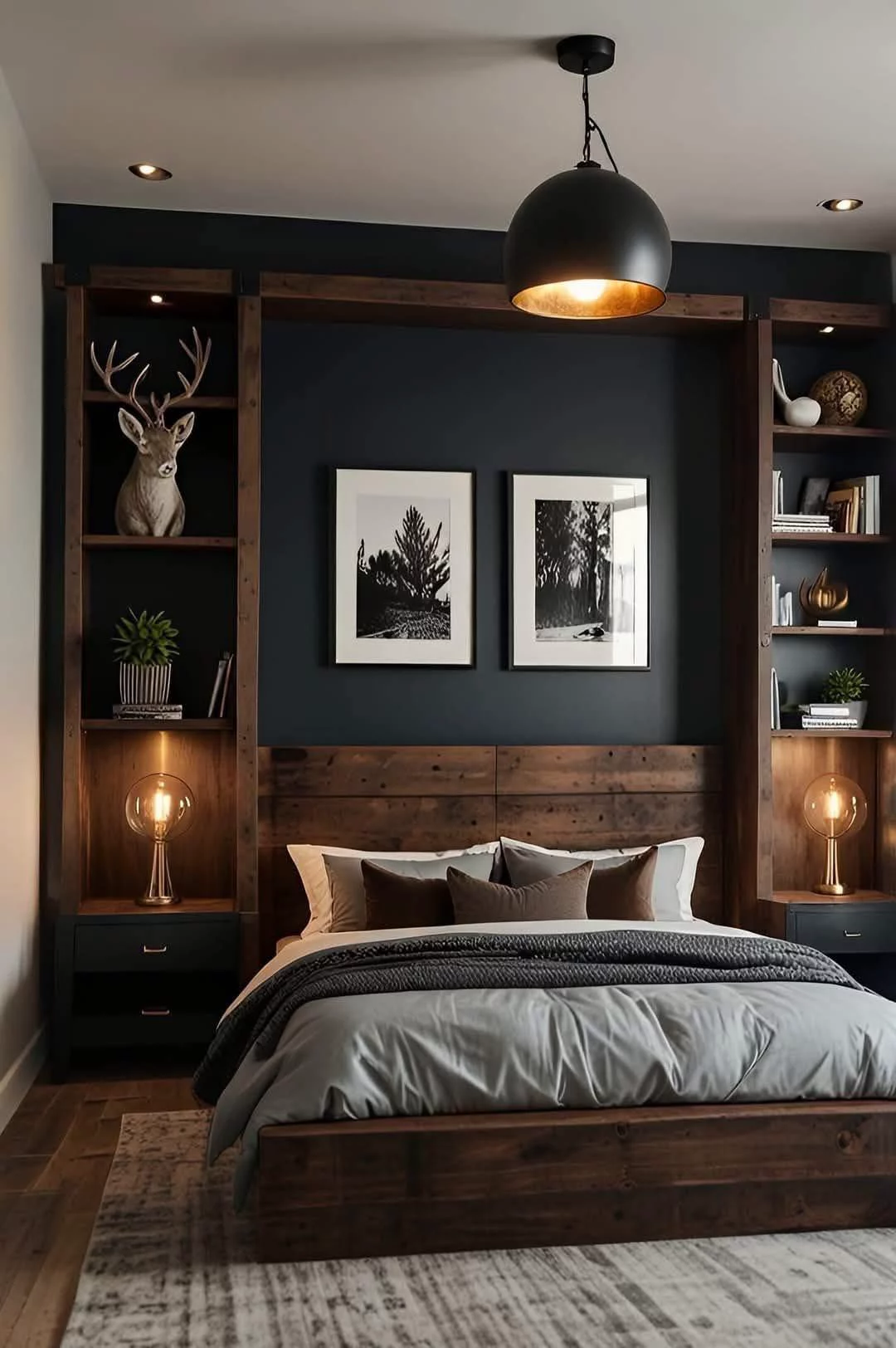
Heavy blackout curtains can make a room feel significantly darker during the day.
If privacy allows, replace thick drapes with sheer curtains that filter sunlight instead of blocking it. Sheers soften incoming light while still providing a level of privacy.
For bedrooms that require blackout curtains at night, consider a layered approach:
- Sheer panels for daytime
- Blackout panels for sleeping
This gives you flexibility throughout the day.
Designer Insight
Hang curtain rods several inches above the window frame to visually increase window height.
Common Mistake to Avoid
Avoid curtains that stop at the windowsill. Floor-length curtains usually make windows appear larger.
#3. Add a Large Mirror Opposite a Window
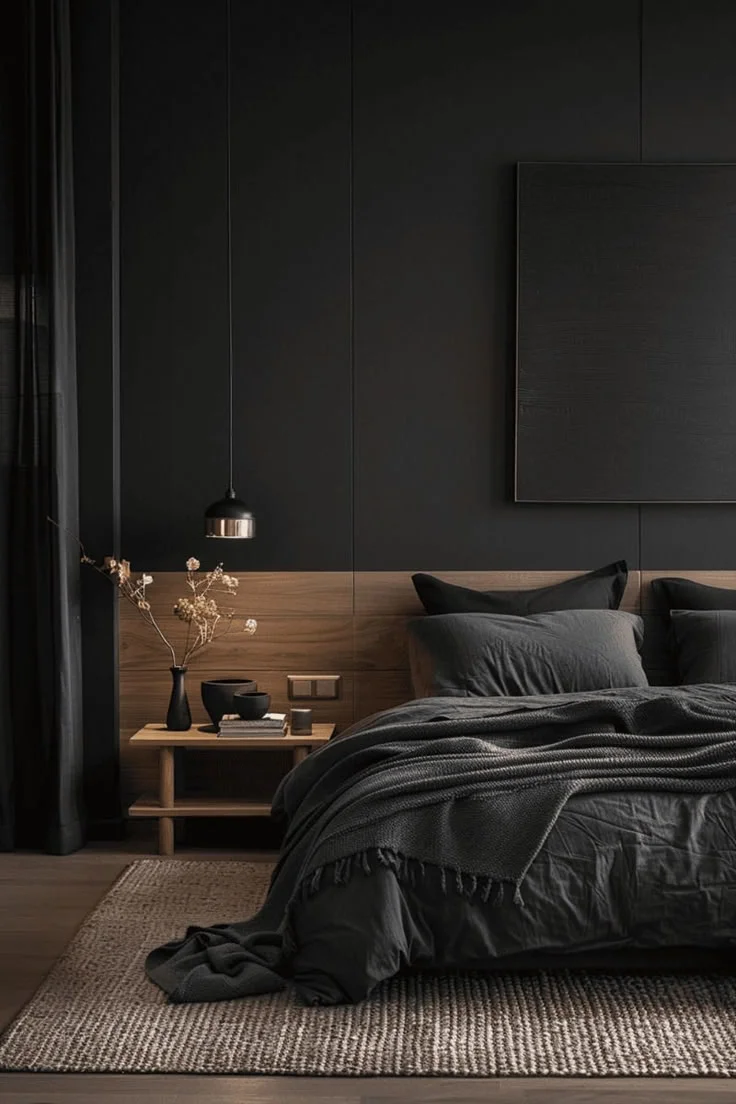
If there’s one designer trick that consistently works, it’s strategic mirror placement.
A large mirror placed directly across from a window reflects daylight into the room, effectively doubling the visual impact of natural light.
This simple change can make even a small bedroom feel significantly brighter and more spacious. Full-length mirrors, oversized leaning mirrors, and decorative wall mirrors all work well.
Why It Works
Mirrors bounce both natural and artificial light around the room, reducing dark corners and creating visual depth.
Designer Insight
The larger the mirror, the greater the effect. Oversized mirrors generally outperform small decorative mirrors.
Common Mistake to Avoid
Avoid placing mirrors where they reflect clutter, which can make the room feel busier rather than brighter.
#4. Layer Your Bedroom Lighting Like a Designer
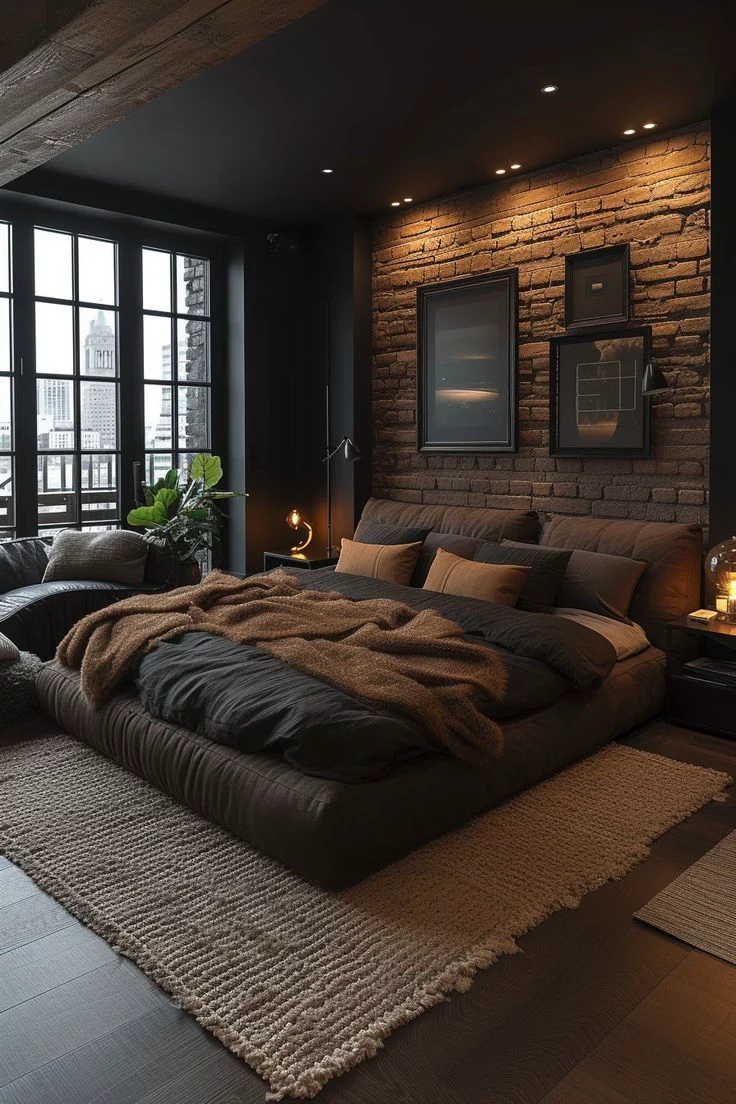
Many homeowners rely on a single overhead light fixture.
Unfortunately, one light source often creates shadows that make a room feel darker.
Professional designers use layered lighting instead:
Ambient Lighting
General room illumination.
Task Lighting
Bedside lamps and reading lights.
Accent Lighting
Wall sconces, LED strips, and decorative lighting.
Together, these layers eliminate shadows and create a more balanced, welcoming atmosphere.
Designer Insight
Warm white bulbs between 2700K and 3000K usually create the most comfortable bedroom atmosphere.
Common Mistake to Avoid
Avoid relying exclusively on one bright ceiling light.
#5. Replace Dark Bedding With Brighter Textiles
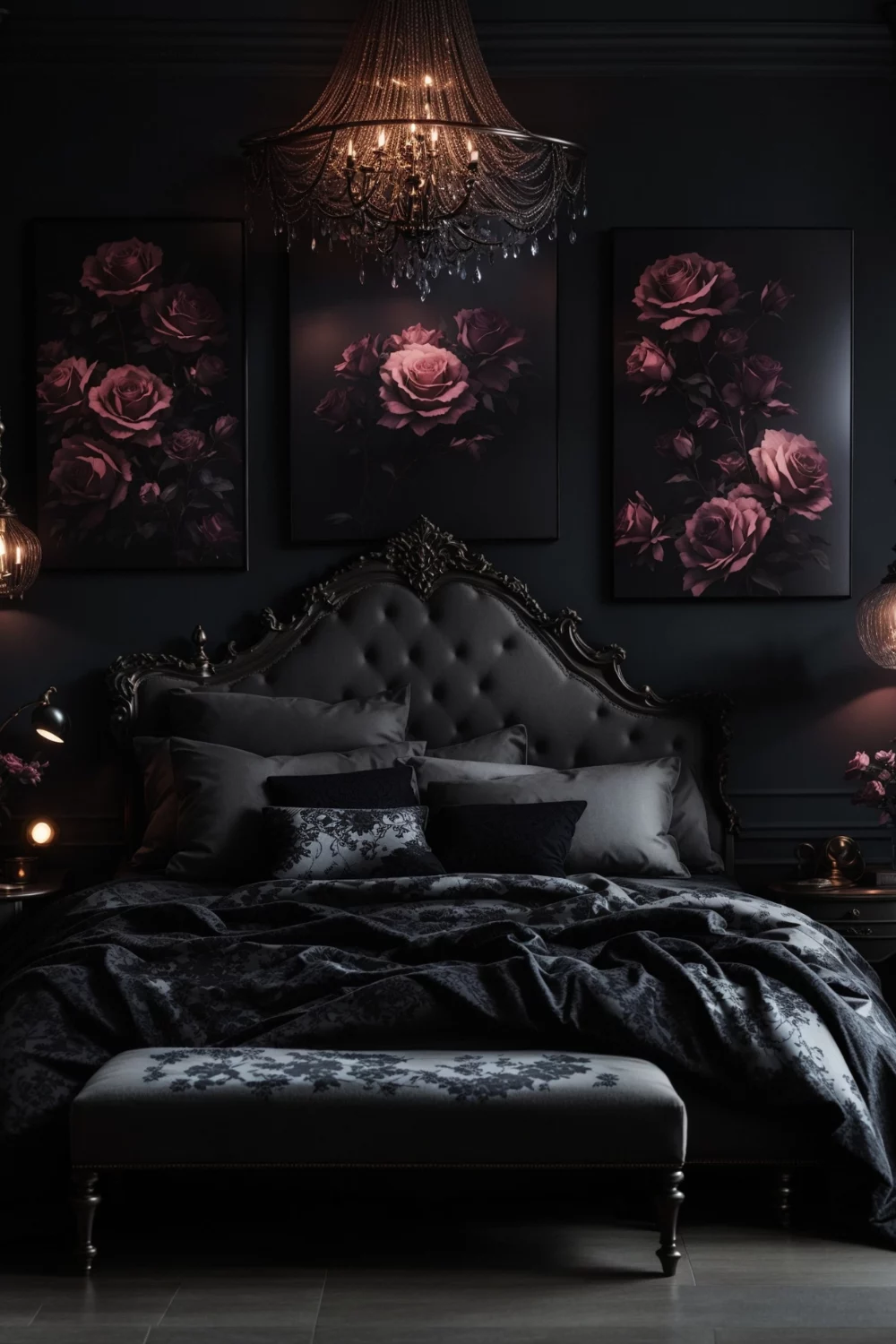
Your bed is usually the largest piece of furniture in the room, which means it has a huge impact on how bright or dark the space feels.
Dark comforters, heavy blankets, and deep-colored bedding absorb light and visually dominate the room. Swapping them for lighter textiles is often one of the fastest ways to brighten a dark bedroom without making any structural changes.
Consider colors such as:
- White
- Cream
- Soft beige
- Light gray
- Pale blue
- Soft sage green
These shades reflect more light while helping the room feel calm and inviting.
Designer Insight
Layer different textures rather than relying on bold colors. Linen, cotton, and waffle weaves create visual interest while maintaining a bright look.
Common Mistake to Avoid
Avoid combining dark bedding with dark walls. This can make even larger bedrooms feel smaller and heavier.
#6. Use Light-Colored Area Rugs to Reflect More Light
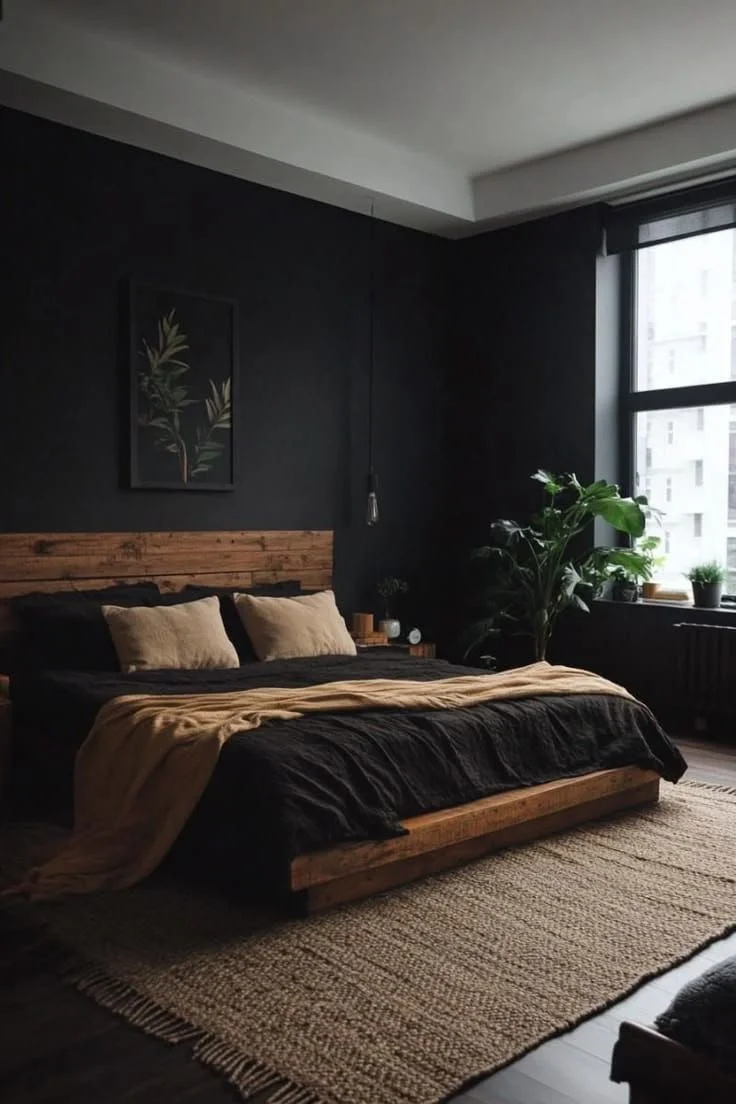
Flooring is another surface that significantly affects how light moves through a room.
Dark hardwood floors, dark carpeting, and deep-colored rugs can absorb a surprising amount of light. A lighter area rug helps bounce light upward and visually expands the floor area.
Some of the best options include:
- Cream rugs
- Ivory rugs
- Light beige rugs
- Soft gray rugs
- Natural woven rugs
If replacing flooring isn’t realistic, a strategically placed rug can provide many of the same benefits at a fraction of the cost.
This is one of the easiest ways to make a dark bedroom brighter on a budget.
Designer Insight
Choose larger rugs whenever possible. Small rugs can sometimes make a room feel fragmented and visually smaller.
Common Mistake to Avoid
Avoid heavily patterned dark rugs that compete with the room’s brightness goals.
#7. Declutter Surfaces to Create an Airier Feel
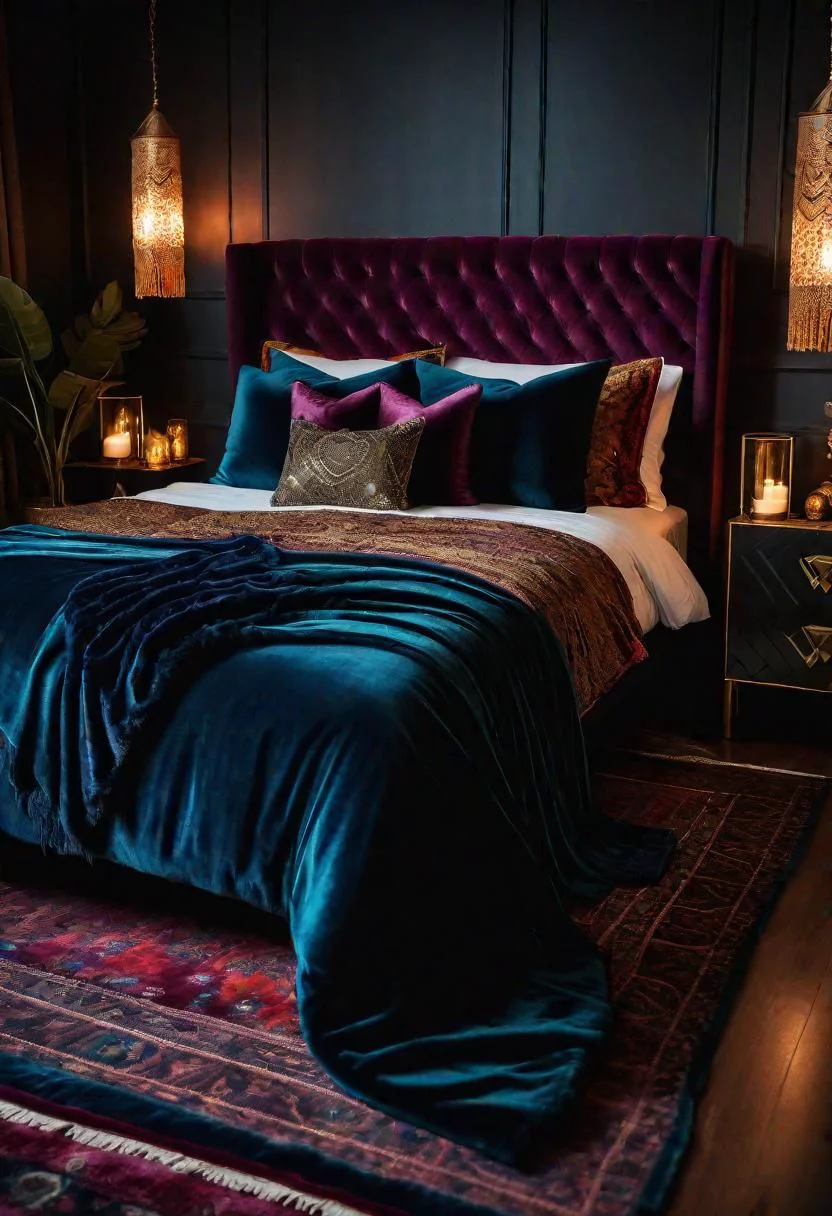
Many people assume brightness is only about lighting.
In reality, visual clutter can make a room feel darker, heavier, and more confined, even when the lighting is perfectly adequate.
Nightstands packed with accessories, crowded dressers, overflowing shelves, and excessive decor can all contribute to a cramped appearance. Instead, focus on keeping surfaces intentionally styled.
Ask yourself:
- Does this item serve a purpose?
- Does it contribute to the overall design?
- Is it making the room feel visually crowded?
Reducing clutter allows the eye to move more freely around the room, which instantly creates a lighter and more spacious feeling.
Designer Insight For Dark Bedroom
Use decorative trays, baskets, and storage boxes to keep essentials organized without creating visual chaos.
Common Mistake to Avoid
Avoid filling every shelf, tabletop, and corner with decorative accessories.
#8. Incorporate Glass and Reflective Decor Pieces
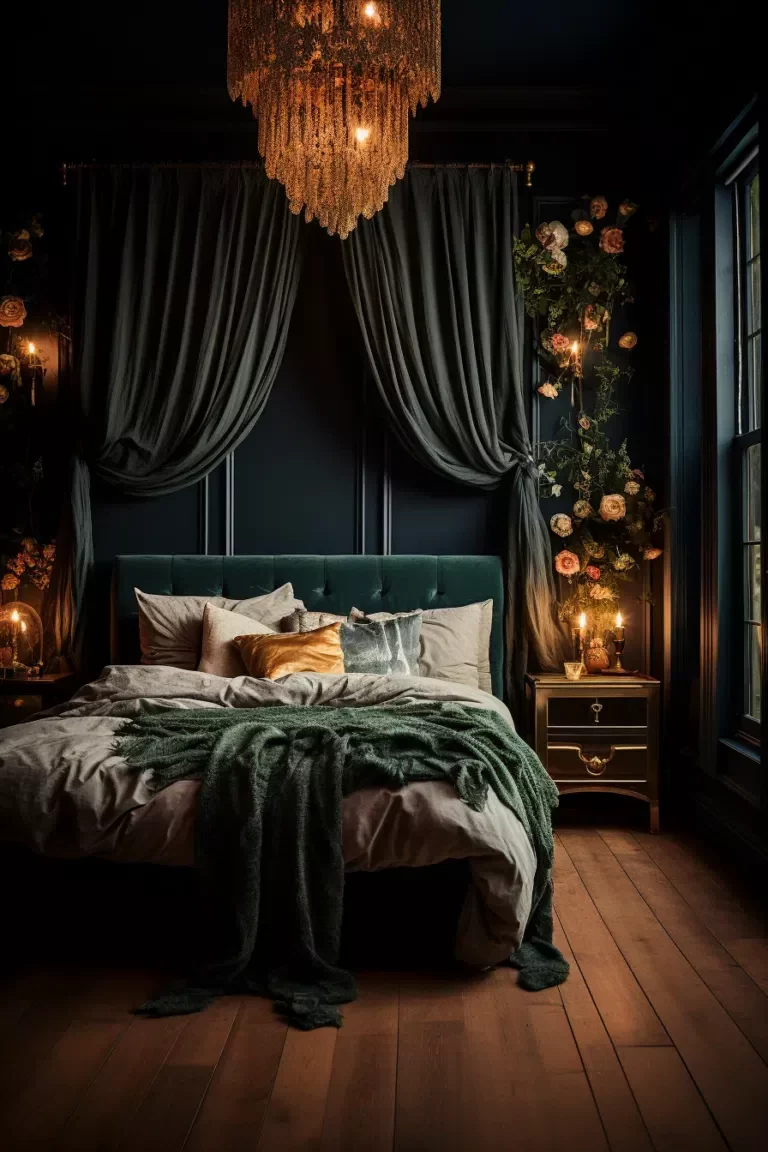
When interior designers want to increase brightness without major renovations, they often introduce reflective materials.
Glass, mirrored finishes, polished metals, and glossy surfaces help distribute light around the room.
Consider adding:
- Mirrored nightstands
- Glass table lamps
- Reflective picture frames
- Metallic decor accents
- Glass vases
- Crystal lighting fixtures
Even small reflective details can help amplify both natural and artificial light. This technique is especially effective in bedrooms with limited windows because it maximizes every available light source.
Designer Insight
Mix reflective materials with soft textures such as linen, cotton, and woven baskets for a balanced look.
Common Mistake to Avoid
Avoid overusing mirrored furniture. Too many reflective surfaces can make a room feel cold or overly formal.
13 Dreamy Boho Coastal Bedroom Ideas Full of Warm Beachy Style
#9. Upgrade to Brighter Light Bulbs With the Right Color Temperature

Many homeowners spend money on new lamps and fixtures when the real issue is the bulb itself.
Not all light bulbs produce the same effect. Some emit a warm, dim glow that can make a room feel cozy but slightly gloomy, while others provide brighter, cleaner illumination.
For most bedrooms, designers recommend:
- 2700K–3000K for a warm and inviting feel
- 3000K–3500K for a brighter, more modern look
LED bulbs are often the best choice because they provide strong illumination while remaining energy-efficient. If your bedroom feels dark even at night, upgrading bulbs is one of the quickest and most affordable solutions.
Designer Insight
Use matching color temperatures throughout the room to create a cohesive look.
Common Mistake to Avoid For Dark Bedroom
Avoid mixing cool blue-toned bulbs with warm bulbs in the same space.
#10. Add Strategic Wall Art That Brightens the Space
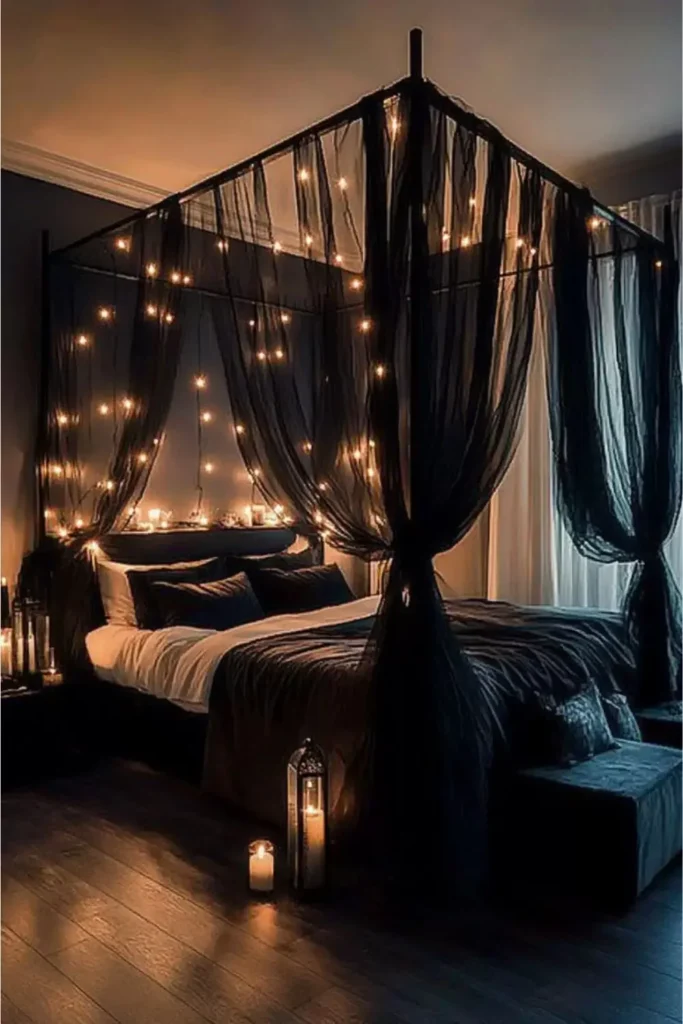
Wall decor can either brighten a room or make it feel heavier.
Dark artwork with deep colors may absorb visual light, while lighter artwork can help reinforce a bright and airy atmosphere.
Consider:
- Coastal artwork
- Botanical prints
- Abstract neutrals
- Landscape photography
- Soft watercolor pieces
Large-scale artwork often works better than multiple small pieces because it creates a cleaner visual statement. This is one of the easiest ways to improve the brightness of bedroom decor without making major changes.
Designer Insight
Choose artwork that includes white space or lighter backgrounds to maximize the brightening effect.
Common Mistake to Avoid
Avoid overcrowding walls with too many frames, which can make the room feel busy.
#11. Bring in Plants to Create a Fresh, Lively Atmosphere
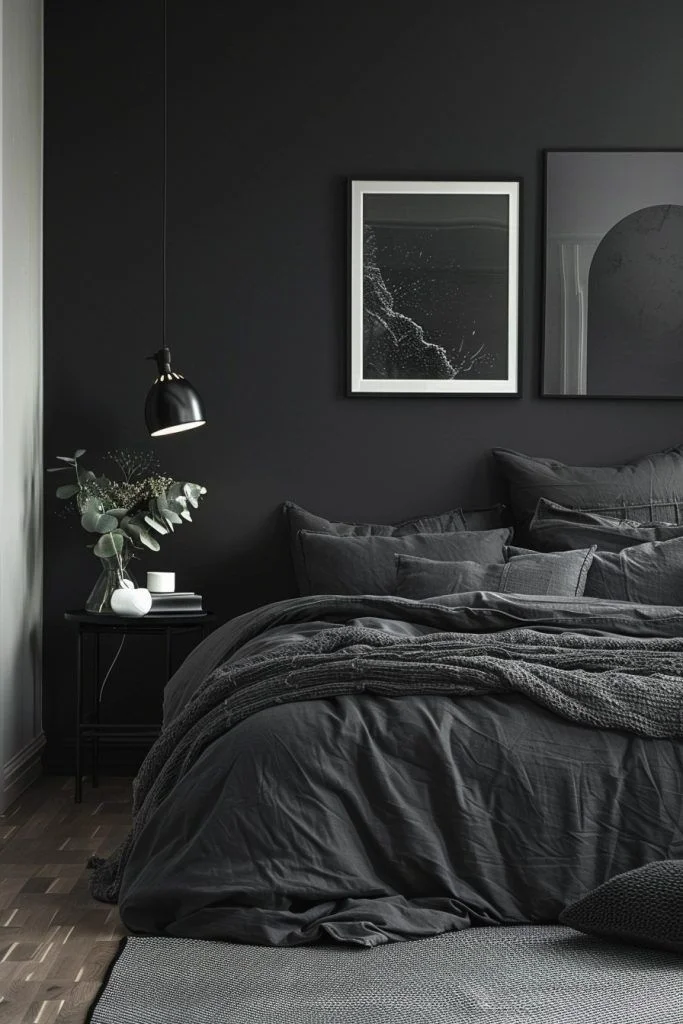
Plants don’t technically add more light, but they can dramatically change how a room feels.
A dark bedroom often feels stagnant and lifeless. Plants introduce color, texture, and organic movement that make the space feel healthier and more inviting.
Some low-light-friendly options include:
- Snake Plant
- ZZ Plant
- Pothos
- Peace Lily
- Chinese Evergreen
These plants thrive in conditions where natural light may be limited.
Designer Insight
Place plants near windows, mirrors, or light-colored furniture to maximize their visual impact.
Common Mistake to Avoid
Avoid overcrowding the room with too many plants, especially in smaller bedrooms.
Biggest Mistakes That Make a Bedroom Feel Darker
Even well-intentioned decorating choices can work against you.
Here are the most common mistakes designers see:
Using Too Many Dark Colors
Dark walls, dark bedding, and dark furniture together can overwhelm a space.
Blocking Natural Light
Heavy curtains and poorly positioned furniture often reduce available daylight.
Relying on One Light Source
A single ceiling fixture rarely provides enough balanced illumination.
Ignoring Reflective Surfaces
Without mirrors and reflective materials, available light remains limited.
Overdecorating
Too many accessories can make a room feel crowded and visually heavy.
Quick Designer Formula for a Brighter Bedroom
If you’re looking for the simplest possible formula, focus on these five elements:
- Light paint colors
- Sheer curtains
- Large mirrors
- Layered lighting
- Light bedding
Together, these changes often provide the biggest transformation with the least effort.
Conclusion
Learning how to brighten a dark bedroom isn’t about making a room feel stark or overly white. The goal is to create a space that feels open, comfortable, and inviting while making the most of the light available.
By combining reflective paint colors, strategic mirrors, layered lighting, lighter textiles, and thoughtful decor choices, even the darkest bedroom can feel noticeably brighter and larger.
Start with one or two changes, evaluate the results, and gradually build a brighter bedroom that feels both functional and beautiful. Often, small improvements add up to a dramatic transformation.
FAQs
How can I brighten a dark bedroom without painting?
You can brighten a dark bedroom by using mirrors, sheer curtains, layered lighting, lighter bedding, and reflective decor pieces.
What colors make a dark bedroom look brighter?
Soft white, cream, light beige, pale gray, soft sage, and light blue are some of the best colors for reflecting light and creating a brighter appearance.
Do mirrors really make a bedroom brighter?
Yes. Mirrors reflect both natural and artificial light, helping distribute illumination throughout the room and reducing dark areas.
How do I brighten a bedroom with little natural light?
Focus on layered lighting, reflective surfaces, light-colored furnishings, and strategic mirror placement to maximize available light.
Can plants help brighten a dark bedroom?
While plants do not increase light levels, they create freshness, texture, and visual energy that make a room feel brighter and more inviting.


