
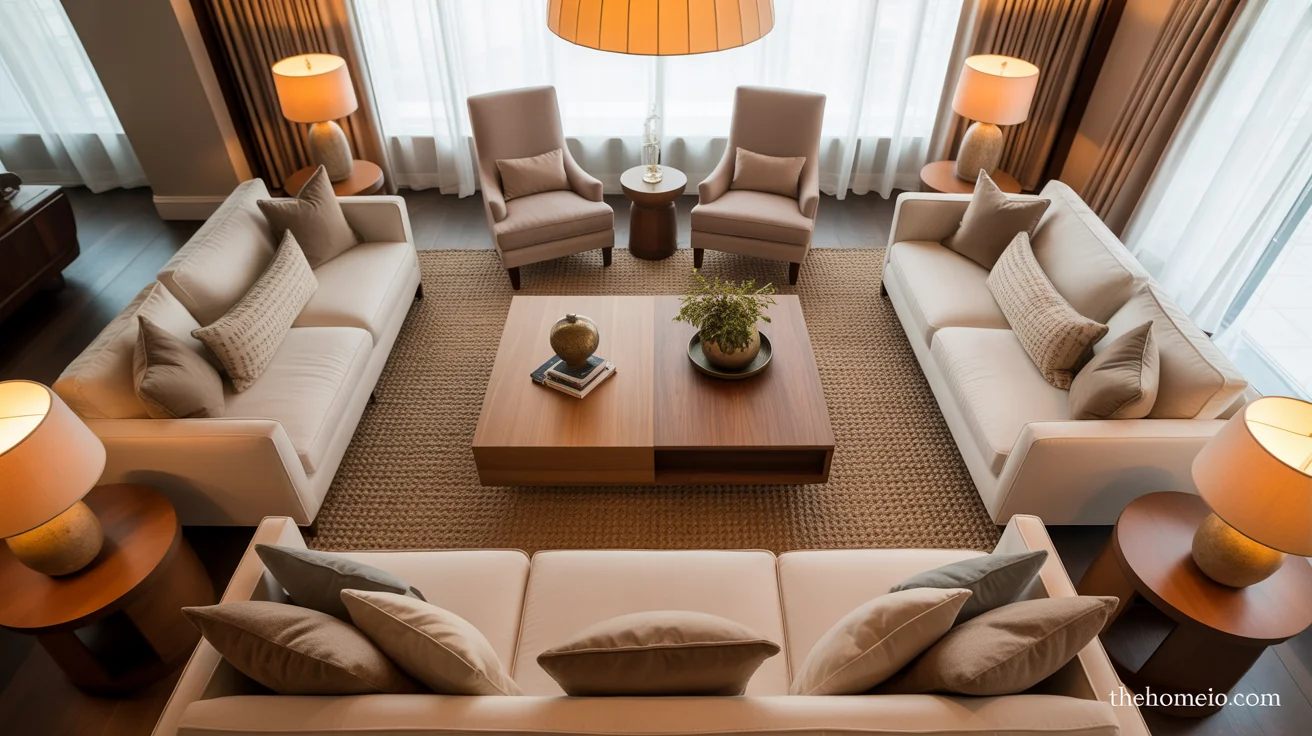
12 Smart Living Room Ideas to Fix Layout, Style, and Comfort Problems
A living room can look good in photos and still feel off in real life. Sometimes the room feels crowded. Sometimes it feels empty. In other homes, the furniture placement makes conversation awkward, the TV takes over the whole room, or the space never feels as comfortable as it should.
That is where smart design makes a difference. The best living room design ideas do more than decorate. They solve real problems. A better layout improves flow. Better lighting changes the mood. Better scale makes the room feel balanced. Once those pieces come together, the whole room starts to work.
1. Pull the Furniture Away From the Walls
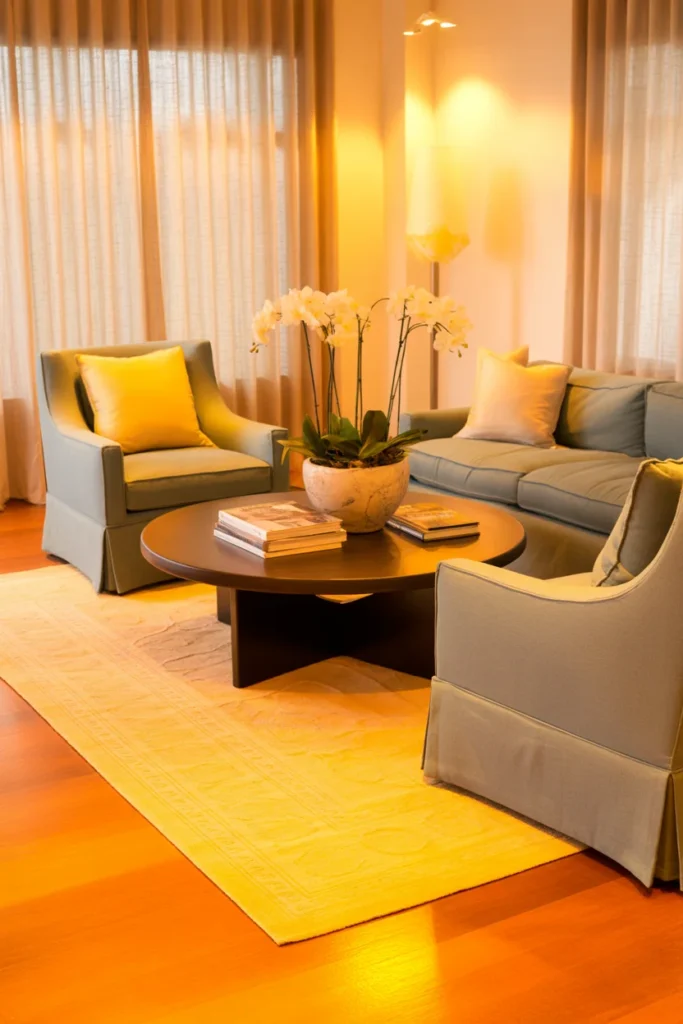
One of the most common layout mistakes is pushing every piece against the walls. It seems like it would create more space, but it usually does the opposite. The room can end up feeling disconnected and harder to use.
A better setup brings the seating inward to create a real conversation zone. Even moving the sofa forward a few inches can make the room feel more intentional. Better Homes & Gardens recently highlighted this as one of the biggest living room layout mistakes to avoid.
2. Leave Clear Walkways Through the Room
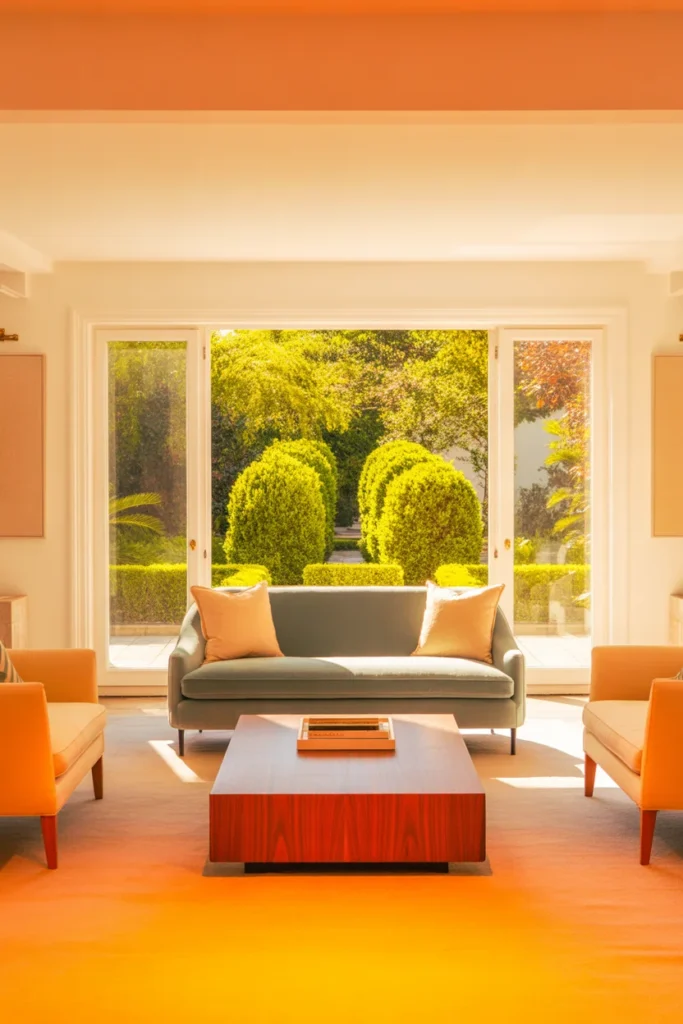
A room should be easy to move through. When chairs, tables, and decor block the path, the whole space feels cramped. Good flow is one of the biggest parts of good design, yet it is often ignored.
A practical rule is to leave around 2.5 to 3 feet of clearance in major walkways so the room feels comfortable instead of tight. That guideline comes up in recent design advice because circulation is one of the easiest problems to fix and one of the biggest ones to feel every day.
3. Use the Right Rug Size For Smart Living Room Ideas
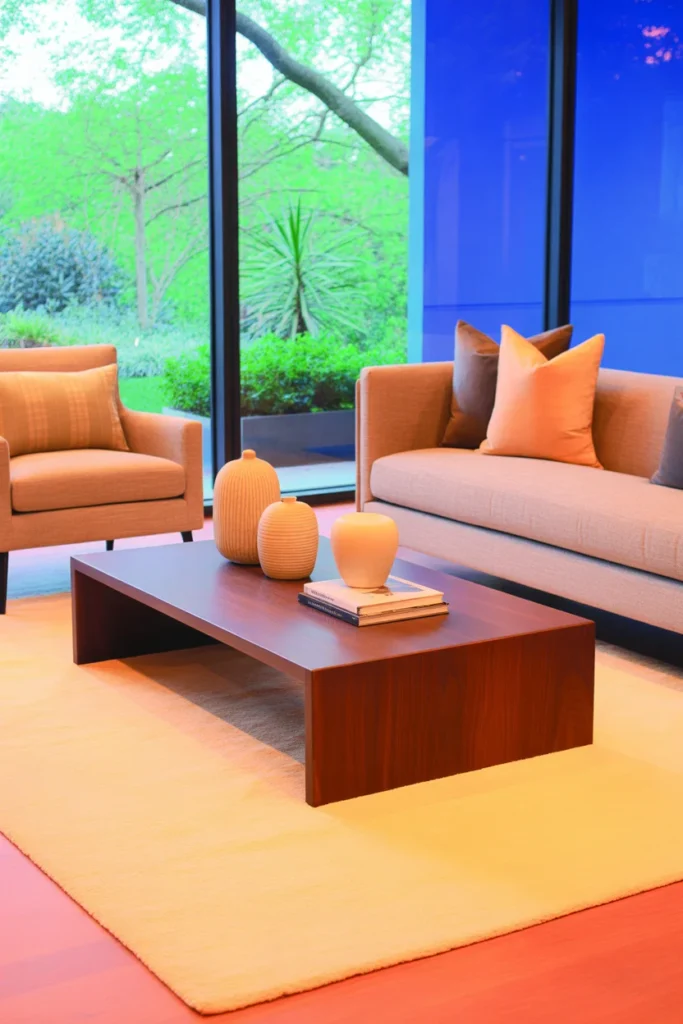
A rug that is too small can make the whole room look unfinished. It can also make the furniture feel like it is floating instead of working together. This is a common style problem that often turns into a layout problem too.
A larger rug helps connect the sofa, chairs, and coffee table into one clear zone. In most living rooms, the rug should at least catch the front legs of the main furniture. That simple adjustment makes the room feel more grounded and more polished.
4. Fix the Furniture Scale For Smart Living Room Ideas
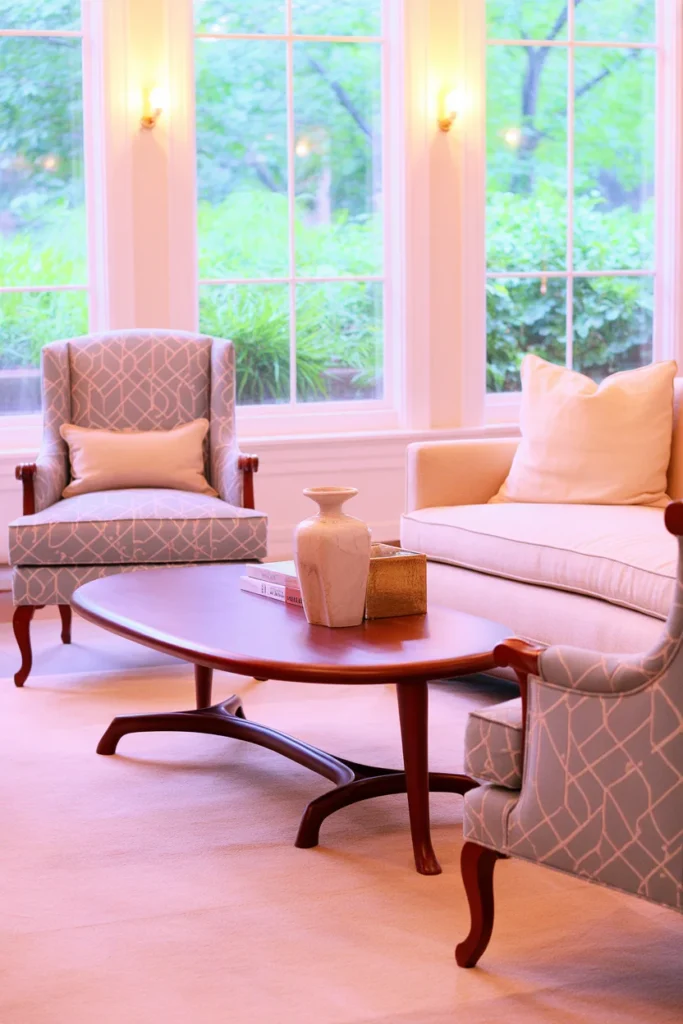
A room feels uncomfortable when the furniture does not match the space. A huge sectional can swallow a small room. Tiny chairs can look lost in a larger one. The room may not look wrong at first, but it will still feel off.
That is why scale matters so much. Recent design guidance keeps pointing to this as a major living-room issue: the furniture should fit the room, not fight it.
5. Create One Strong Focal Point
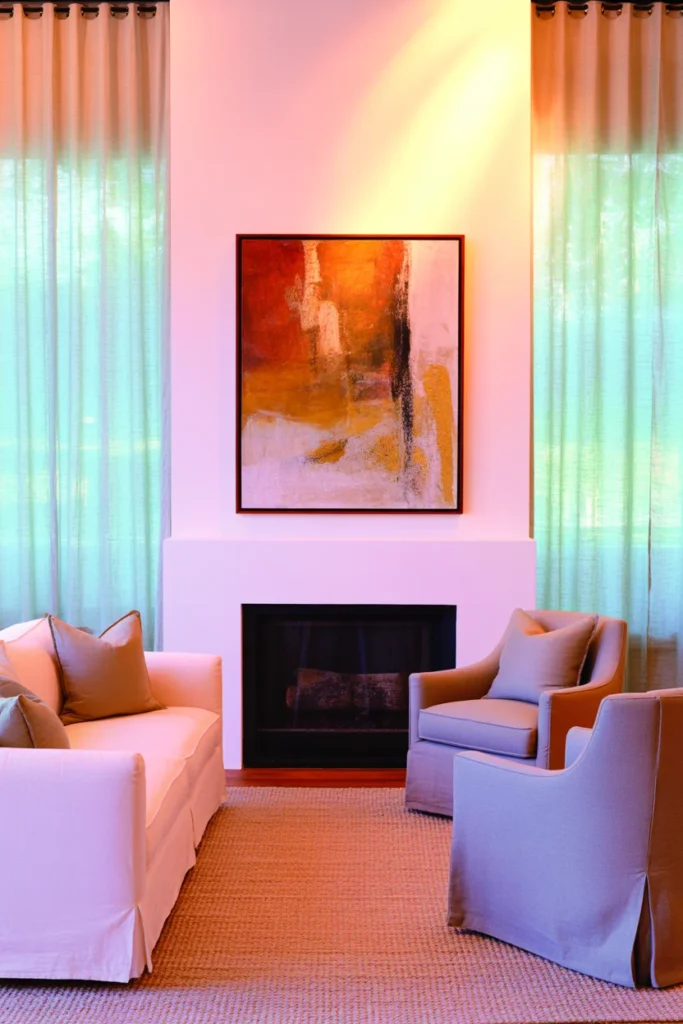
A living room needs something that organizes the space. That could be a fireplace, a media wall, a large window, a beautiful built-in, or a statement piece of art. Without a focal point, the room can feel scattered.
Once you decide what the room should center around, furniture placement becomes easier. The room starts to feel calmer because everything has a reason for being where it is.
6. Stop Letting the TV Control the Whole Room
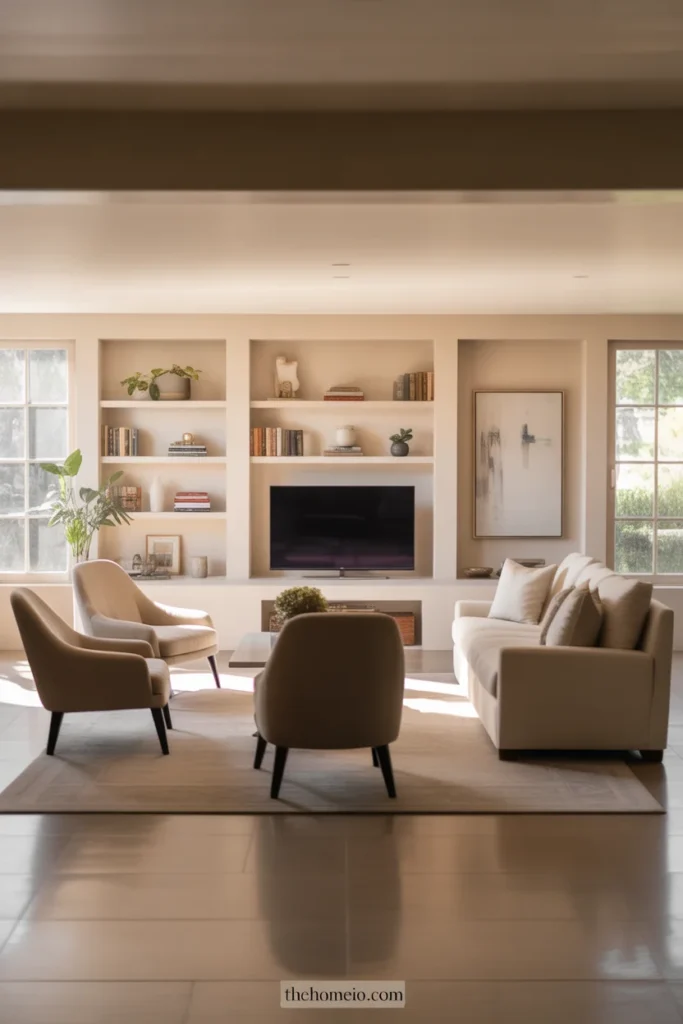
The TV matters, but it should not ruin the space. A TV placed too high or treated as the only feature in the room can throw off the balance. It can also make the room feel colder and less inviting.
Recent BHG guidance recommends keeping the TV at eye level and balancing it with shelves, art, or other design elements so it fits the room instead of dominating it.
7. Use Zoning to Solve Open-Concept Layout Problems
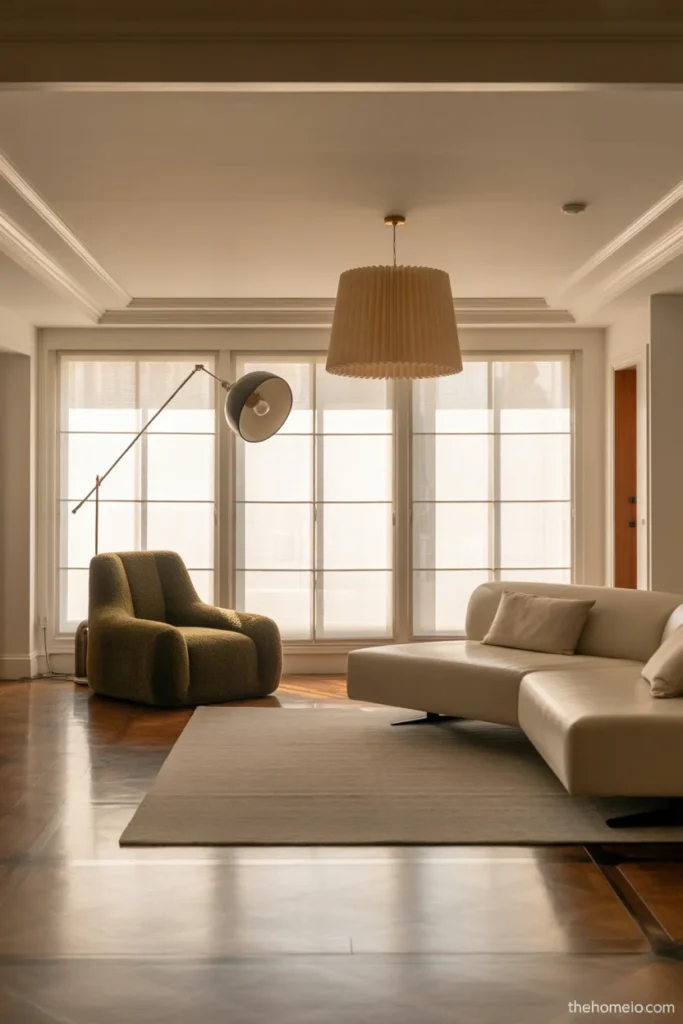
Open living spaces often feel hard to decorate because everything blends together. The answer is not always adding walls. Often, the better solution is zoning.
Current design coverage for is leaning toward micro-zoning and more defined living areas, using rugs, furniture placement, and lighting to create separate functions inside one open space. That means a living room can include a conversation zone, reading corner, or game area while still feeling connected.
8. Layer the Lighting For Smart Living Room Ideas
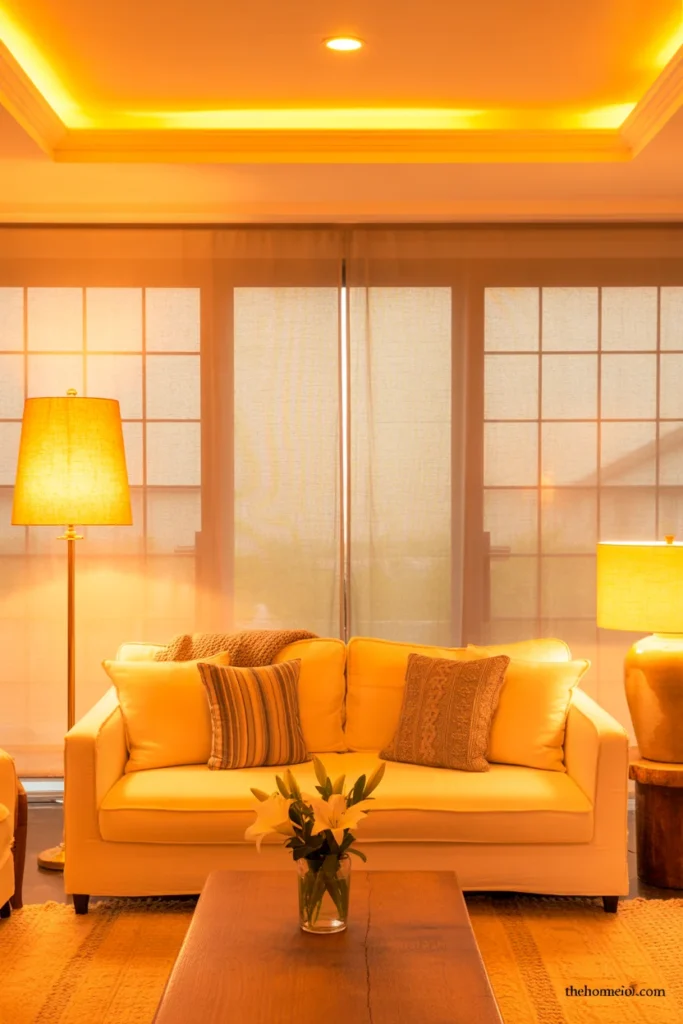
A single overhead light rarely makes a living room feel good. It can flatten the room and make it feel cold at night. This is one of the biggest comfort problems in many homes.
A better room uses layered lighting: overhead light for general brightness, table lamps and floor lamps for warmth, and maybe sconces or accent lighting for depth. Recent design advice continues to point to layered lighting as one of the easiest ways to improve both function and mood.
9. Add Soft Materials to Fix a Room That Feels Cold
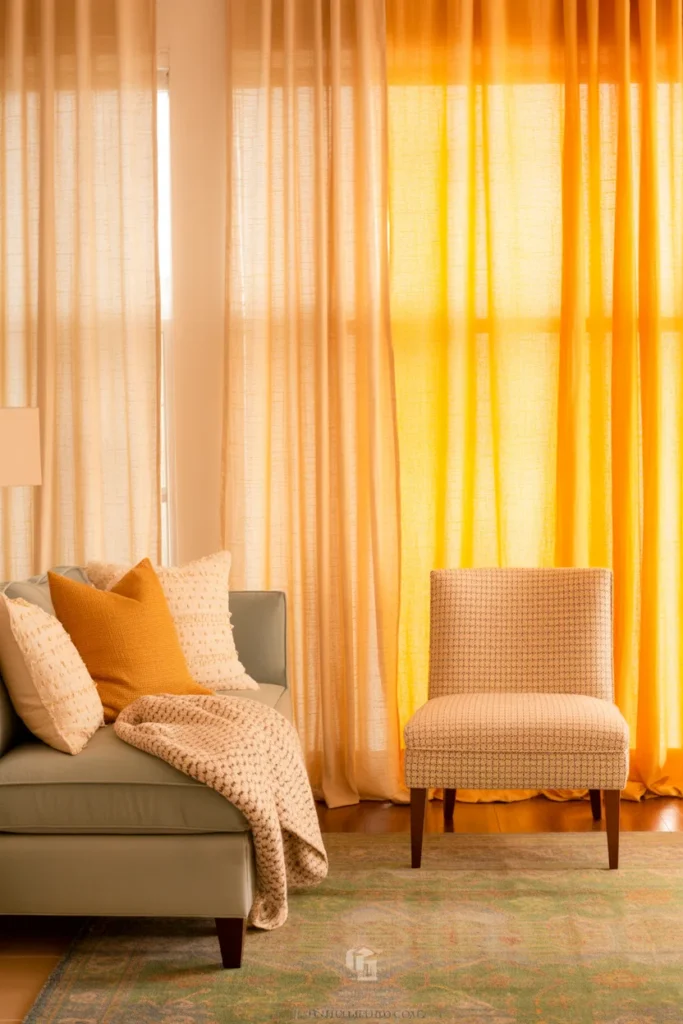
Some living rooms look fine but still do not feel comfortable. That usually comes down to texture. Hard surfaces everywhere can make the room feel flat, echoey, and not very inviting.
A softer room uses rugs, curtains, pillows, throws, and textured upholstery to balance all the hard materials. This is one of the easiest living room comfort ideas because it improves both the feel of the room and the way it looks.
10. Use Storage That Also Helps the Layout
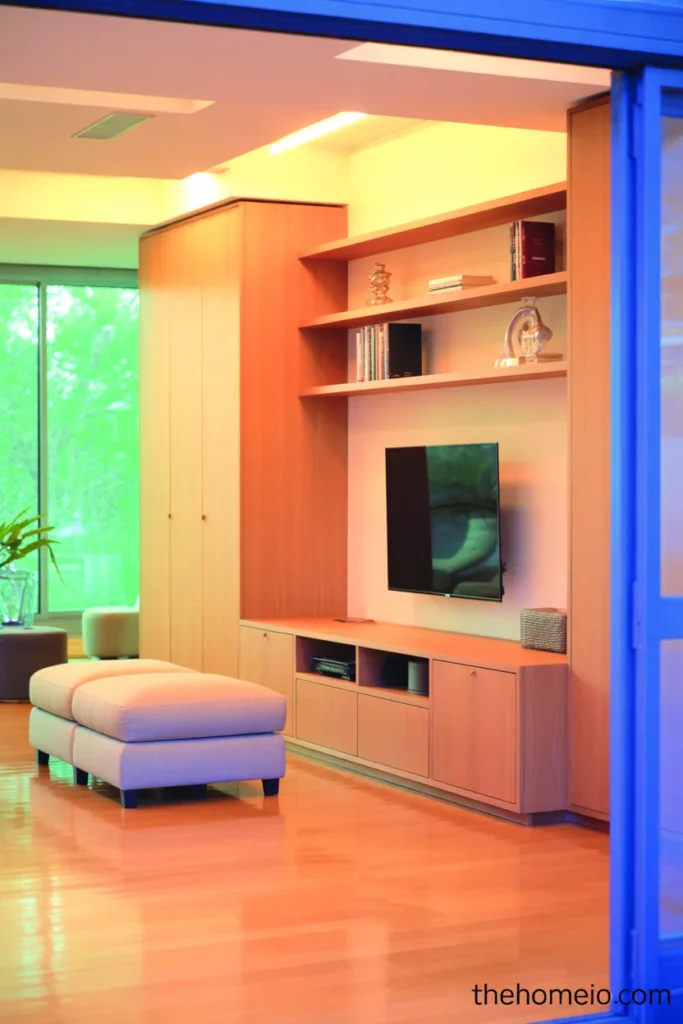
Clutter can ruin a room fast. The best fix is storage that still works with the design. A storage ottoman, built-in shelves, a media console, or closed cabinets can help the room stay calm without losing function.
This matters even more in family rooms and smaller spaces. A room always feels better when everyday items have a clear place to go.
11. Make a Small Living Room Feel Bigger With Smarter Placement
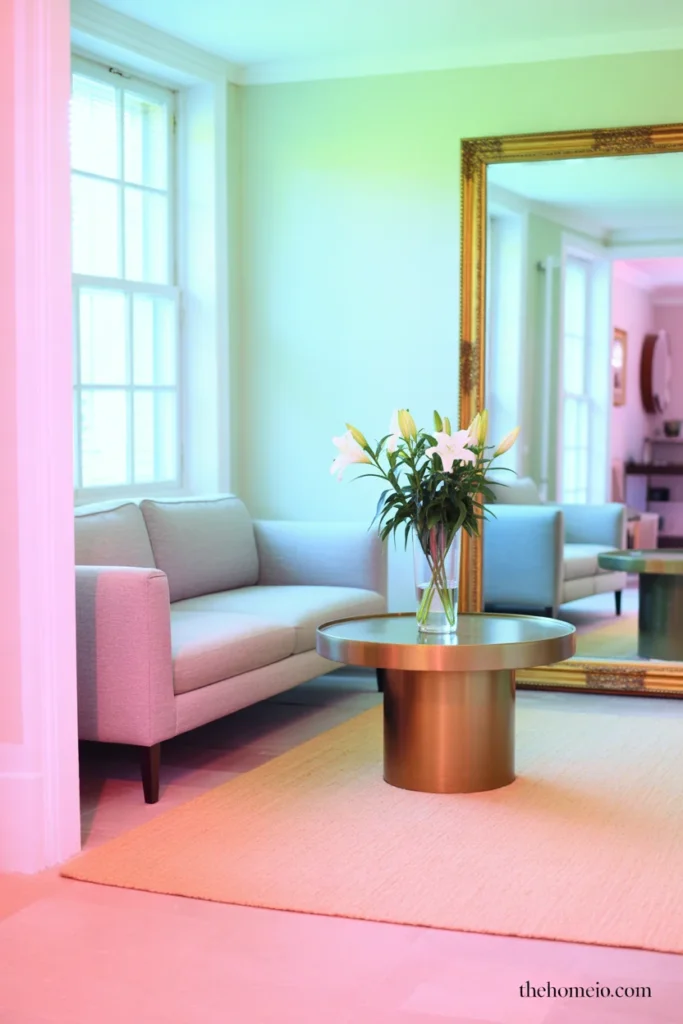
A small room does not need more stuff. It needs better choices. A sofa with visible legs, a smaller-scale coffee table, a light rug, a large mirror, and open pathways can make a compact room feel much more open.
Avoid overfilling the space. Small living rooms usually work better when every piece earns its place. Good furniture placement does more than any extra decor ever will.
12. Make a Large Living Room Feel Cozy With Defined Areas
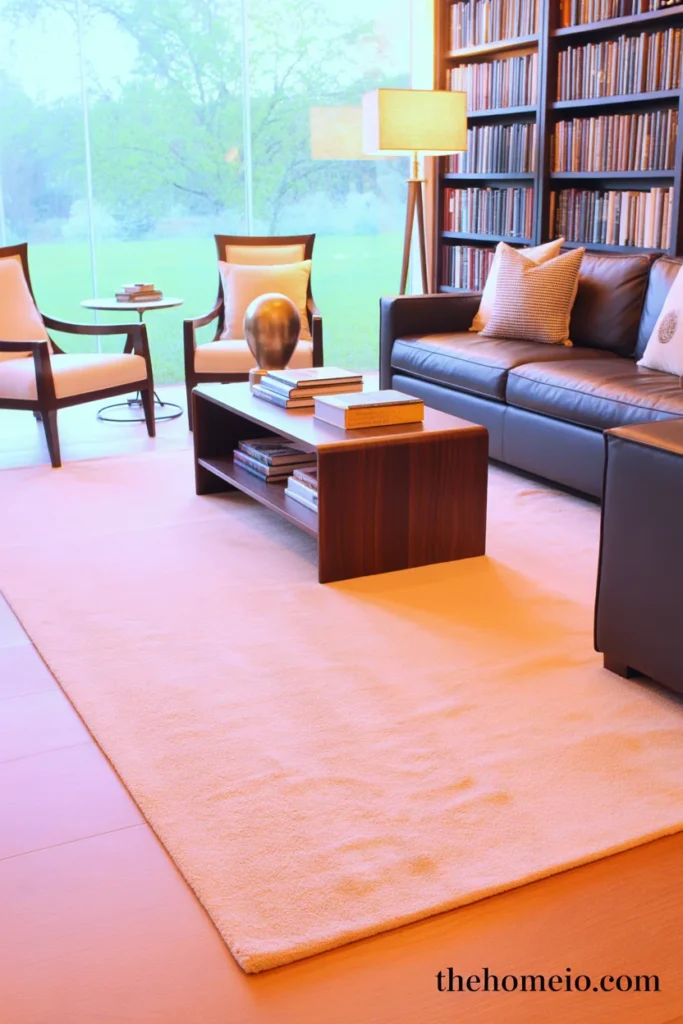
Large living rooms come with their own problems. Instead of feeling luxurious, they can feel empty or hard to use. The fix is to break the room into zones that feel intentional.
That could mean one main seating area, one reading corner, and one smaller secondary zone. Recent design coverage around zoning supports exactly this move, especially in larger open rooms where one giant layout often feels loose and unfinished.
Final Thoughts
The best living room design ideas solve problems before they add extras. A good layout improves flow. Better scale creates balance. Softer texture adds comfort. Better lighting changes how the room feels every evening.
That is also where current design direction is heading: more intentional zoning, warmer layered spaces, and rooms that feel easier to live in instead of just styled for show.


One Comment